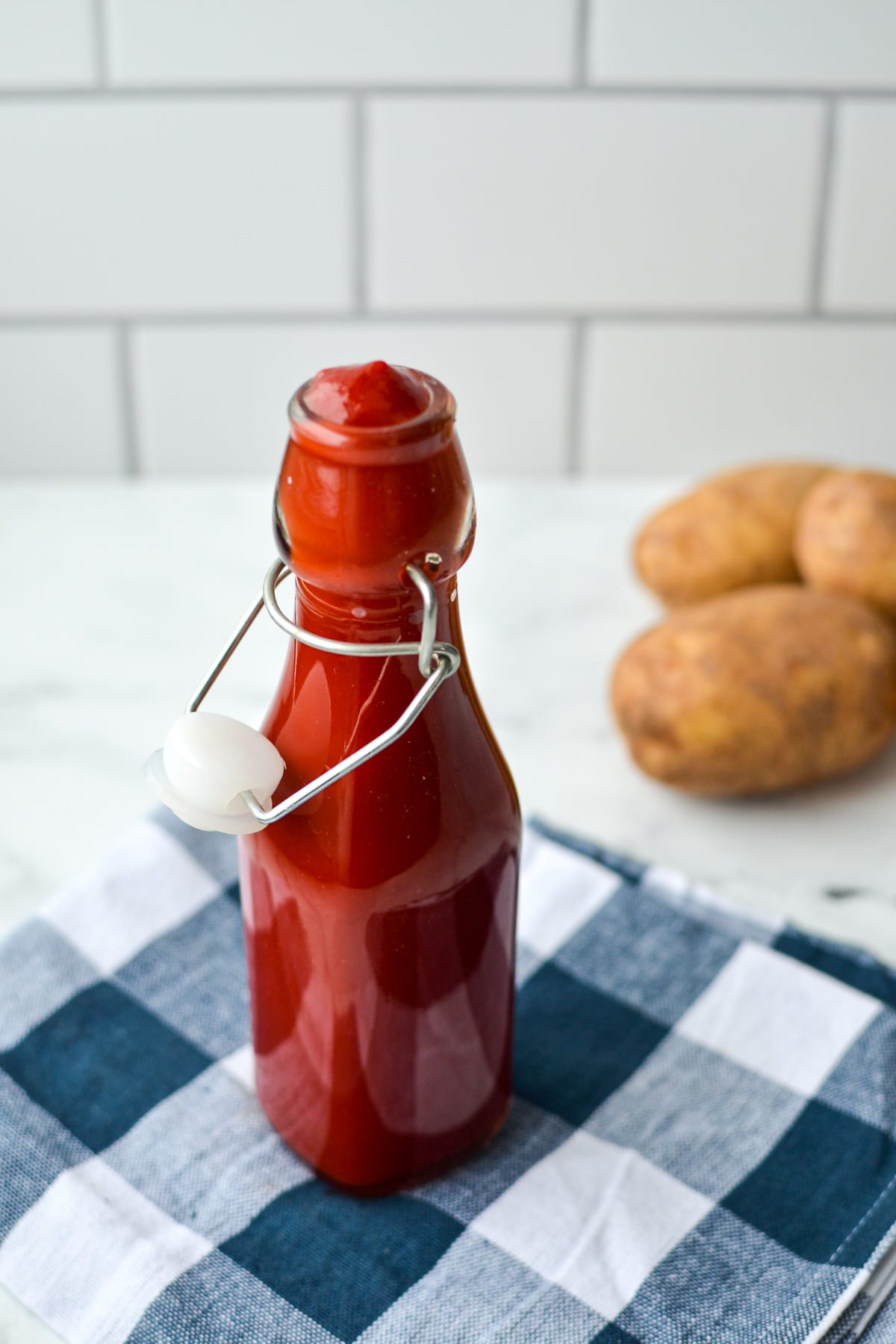
Tired of reaching for that familiar bottle of ketchup, only to pause and ponder the mysterious list of ingredients on the back? You’re not alone. Many of us love the tangy, sweet complement ketchup brings to our favorite foods, but few are thrilled about the high fructose corn syrup, artificial flavors, and preservatives often found in commercial varieties. What if you could enjoy that beloved condiment with complete peace of mind, knowing exactly what went into it? The good news is, you absolutely can! Crafting your own homemade ketchup is not only surprisingly simple but also unlocks a world of fresh, vibrant flavors that blow store-bought versions out of the water. Say goodbye to mystery syrups and hello to wholesome, delicious dipping!
Why Homemade Ketchup is a Game Changer
Making your own homemade ketchup isn't just a culinary adventure; it's a commitment to healthier eating and superior taste. Here’s why it’s worth the small effort:
- No Mystery Syrups or Preservatives: This is arguably the biggest draw. Commercial ketchups frequently rely on high fructose corn syrup (HFCS) for sweetness and a cocktail of artificial preservatives to extend shelf life. When you make ketchup at home, you control the sugar source (often brown sugar or molasses) and eliminate all artificial additives, creating a product that’s naturally better for you and your family.
- Unbeatable Flavor Depth: Store-bought ketchup often has a one-dimensional sweetness. Homemade ketchup, however, allows for a complex symphony of flavors. Fresh aromatics like onion, garlic, and ginger, combined with a thoughtful blend of spices, create a rich, nuanced taste that enhances, rather than overwhelms, your food. It’s a perfect blend of sweet, tangy, savory, and a hint of spice.
- Complete Ingredient Control: Do you prefer less sugar? More spice? A different type of vinegar? When you’re the chef, you dictate the rules. This is particularly beneficial for those with dietary restrictions or specific taste preferences. You can adjust the sweetness, the tanginess, or the spice level to create your ideal condiment.
- Fresher, Wholesome Ingredients: Starting with quality ingredients like whole peeled tomatoes or concentrated tomato paste means your ketchup is packed with natural goodness. You’re tapping into the true essence of the tomato, supported by fresh herbs and spices, for a taste that feels genuinely homemade.
Embracing homemade ketchup is an empowering step towards a more conscious kitchen. For more insights into making this healthy switch, explore Whip Up Homemade Ketchup: Easy & Healthier Than Bottled Sauce.
Deconstructing the Flavor: Key Ingredients for Your Signature Ketchup
The magic of homemade ketchup lies in the careful balance of its core components. While recipes can vary, certain ingredients are crucial for achieving that quintessential sweet-tangy flavor. Understanding their roles empowers you to customize your batch.
The Tomato Foundation
- Canned Whole Peeled Tomatoes: These are a fantastic base for a deeper, richer ketchup. They bring a robust tomato flavor and body, requiring some cooking and pureeing to achieve a smooth consistency. They’re excellent for a slow-simmered, traditional ketchup.
- Tomato Paste: For a quicker, often no-cook or less-cook method, tomato paste is a game-changer. It's concentrated tomato flavor in a smooth paste, providing an unbeatable texture and intense color without needing extensive reduction. It's essential for achieving that thick, luxurious consistency instantly.
The Sweet & Tangy Balance
- Brown Sugar & Molasses: Beyond simple sweetness, packed light brown sugar and molasses contribute complex caramel notes and a beautiful depth of flavor. Molasses, in particular, adds a distinct richness and dark hue that enhances the overall profile.
- Sugar: For simpler recipes, granulated sugar provides clean sweetness, elevating the savory notes and spices without overpowering them.
- Apple Cider Vinegar / White Wine Vinegar / White Vinegar: These vinegars are critical for the tangy kick that defines ketchup. Apple cider vinegar offers a slightly fruity, mellow tang, while white wine vinegar or plain white vinegar delivers a sharper, cleaner acidity that cuts through the sweetness and enlivens the palate.
The Aromatic & Spice Symphony
- Onion, Garlic, & Ginger: Starting with fresh, finely chopped aromatics provides a foundational layer of savory depth. Sautéing them until translucent unlocks their full potential, contributing a nuanced background flavor that distinguishes homemade ketchup.
- Onion Powder & Garlic Powder: For convenience or a no-cook method, these powdered counterparts deliver a concentrated savory punch, ensuring that essential aromatic base without the need for sautéing.
- Mustard Powder: Adds a subtle pungency and savory warmth, contributing to the overall complexity.
- Allspice, Cinnamon, & Cloves: These warm spices are often the "secret weapon" in many ketchup recipes. Allspice, aptly named for its flavor reminiscent of a combination of cloves, cinnamon, and nutmeg, is a staple. Cinnamon and cloves add comforting warmth, a hint of sweetness, and incredible depth. Just a pinch can transform the flavor profile.
- Cayenne Pepper: For those who appreciate a little kick, cayenne pepper adds a gentle heat that balances the sweetness and tang, creating an exciting contrast.
- Salt: Often overlooked but incredibly important, salt is not just for seasoning; it balances out the sweetness from the sugar and enhances all the other flavors, making them truly sing.
Each ingredient plays a vital role in creating the perfect sweet-tangy, savory, and subtly spiced flavor that makes homemade ketchup so irresistible. To truly master these elements, delve into Unlock the Best Homemade Ketchup Flavor: Sweet, Tangy & Preservative-Free.
Crafting Your Own Healthy Ketchup: Two Simple Paths
There are generally two fantastic approaches to making homemade ketchup, catering to different preferences for depth and speed. Both deliver results far superior to anything from a bottle.
Method 1: The Classic Cooked & Simmered Ketchup (for Deep Flavor)
This method, inspired by traditional techniques, yields a ketchup with profound depth and a rich, velvety texture. It involves a bit more cooking time but the reward is immense.
- Aromatic Base: In a large pot or Dutch oven, heat 3 tablespoons of vegetable oil over medium heat. Add 2 cups of finely chopped onion and cook, stirring occasionally, until soft and translucent (about 5 minutes). Stir in 1 tablespoon of chopped peeled ginger, 4 minced garlic cloves, 2 teaspoons of mustard powder, 1/2 teaspoon of ground allspice, and 1/4 teaspoon of cayenne pepper. Cook for another minute, stirring constantly to release the spices' aromas.
- Tomato Infusion: Add 1/4 cup of tomato paste and cook, stirring, for 1 minute. Then, add two 28-ounce cans of whole peeled tomatoes (crushing them with your hands or a potato masher is helpful). Scrape up any browned bits from the bottom of the pot with a wooden spoon to incorporate all that flavor. Remove from heat.
- Puree & Return: Carefully transfer the mixture to a blender (in batches, if necessary) and puree until completely smooth. Return the silky tomato base to the pot.
- Sweet, Tangy, & Simmer: Stir in 2 bay leaves, 2/3 cup of packed light brown sugar, 1/2 cup of apple cider vinegar, 1 tablespoon of molasses, and 4 teaspoons of kosher salt. Bring the mixture to a simmer over medium-low heat.
- Patience is Key: Cook, stirring occasionally to prevent scorching on the bottom, until the ketchup is very thick and coats the back of a spoon – this can take about 1 hour and 45 minutes, depending on your stove and pot. The longer it simmers, the more concentrated and complex the flavors become.
- Cool & Store: Once thickened to your liking, remove the bay leaves and let the ketchup cool completely before transferring it to an airtight container.
Method 2: The Quick No-Cook Ketchup (for Speed & Simplicity)
If you're short on time but still crave the goodness of homemade ketchup, this method is a lifesaver. It relies on the intensity of tomato paste and powdered spices for instant flavor.
- Gather Your Ingredients: You’ll need a medium bowl, tomato paste, sugar, salt, allspice, cinnamon, cloves, cayenne, garlic powder, onion powder, and white wine vinegar (or regular white vinegar).
- Combine & Whisk: Simply combine all the ingredients in the bowl. Whisk vigorously until the mixture is completely smooth and all the spices are fully incorporated.
- Taste & Adjust: This is a crucial step! Taste a small spoonful. Does it need more tang? Add a bit more vinegar. Prefer it sweeter? Stir in a touch more sugar. Want more kick? A pinch more cayenne. The beauty of this method is instant gratification and immediate customization.
- Serve & Store: Once happy with the flavor, transfer it to an airtight container. No cooking or blending involved!
Tips for Perfect Homemade Ketchup & Storage
Once you’ve embarked on your homemade ketchup journey, a few expert tips can elevate your results and ensure proper storage.
- Embrace Customization: The beauty of making your own is the freedom to adjust.
- Sweetness: If you prefer less sugar, start with half the recommended amount and add more to taste. You can also experiment with natural sweeteners like maple syrup or agave in smaller quantities.
- Spice Profile: Love heat? Amp up the cayenne. Want a smoky note? Add a pinch of smoked paprika. For an herbaceous touch, a tiny bit of dried oregano can be surprisingly good.
- Vinegar Choice: While apple cider and white wine vinegar are common, try red wine vinegar for a bolder, fruitier tang.
- Don't Rush the Simmer: For the cooked method, patience is a virtue. A long, slow simmer not only thickens the ketchup but also allows the flavors to meld and deepen beautifully. Keep the heat low and stir often to prevent sticking and scorching.
- Use Quality Ingredients: Since there are no artificial flavors to hide behind, the quality of your base ingredients truly shines. Opt for good quality canned tomatoes, fresh aromatics, and vibrant, fresh spices.
- Always Taste and Adjust: Before you put your ketchup away, give it a final taste. Adjust salt, sugar, or vinegar as needed. This is your chance to perfect it!
- Storage is Key: Unlike shelf-stable commercial ketchups, your homemade ketchup, being free of artificial preservatives, requires refrigeration.
- Containers: Store your ketchup in an airtight container, preferably glass jars. Glass is ideal because it prevents the high acidity of tomatoes from staining plastic containers and is generally more suitable for long-term storage of acidic foods.
- Shelf Life: Homemade ketchup typically lasts in the refrigerator for about 2 to 4 weeks. Some sources suggest up to a month, but it's always best to rely on your senses – if it smells or looks off, it's time to discard it.
- Freezing: For longer storage, consider freezing portions in ice cube trays or small freezer-safe containers. Once frozen, transfer cubes to a freezer bag. Thaw in the refrigerator as needed.
- Serving Suggestions: Your delicious homemade creation is perfect for virtually anything you'd use store-bought ketchup for. Slather it on burgers, dip your golden fries, accompany chicken nuggets, elevate your scrambled eggs, or even stir it into meatloaf or BBQ sauces for an extra flavor boost. Your family, especially the kids, will undoubtedly choose this fresh, wholesome option over the bottled stuff any day!
Conclusion
Making your own homemade ketchup is more than just a recipe; it's an experience that empowers you to take control of what you eat, savor richer flavors, and enjoy the satisfaction of creating something truly delicious from scratch. By ditching the mystery syrups and embracing fresh, wholesome ingredients, you unlock a healthier, more flavorful condiment that will quickly become a pantry staple. So, gather your ingredients, follow these simple steps, and prepare to elevate your meals with a ketchup that's as good for you as it tastes. Happy dipping!
