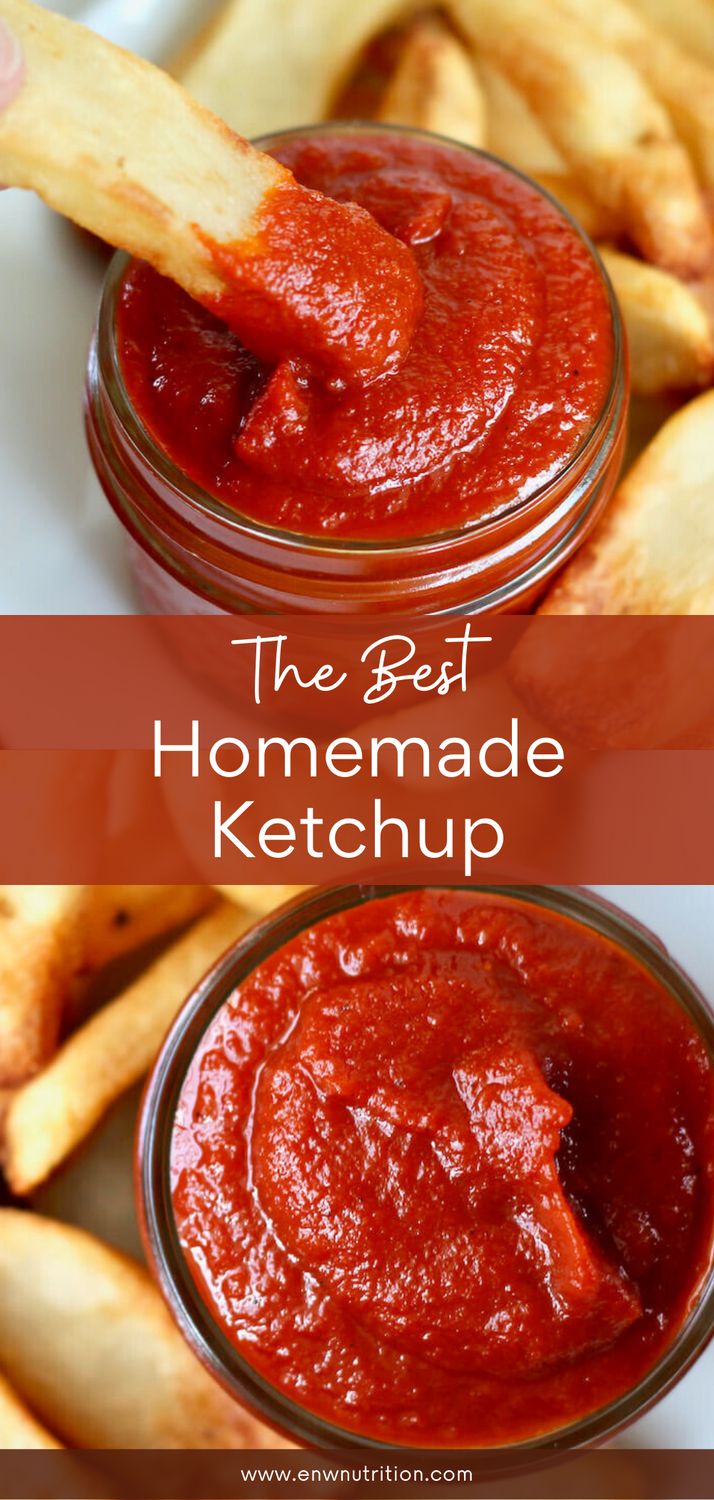
Unlock the Best Homemade Ketchup Flavor: Sweet, Tangy & Preservative-Free
Tired of the same old, store-bought ketchup? Imagine a condiment bursting with vibrant tomato flavor, perfectly balanced with notes of sweet, tangy, and subtly spicy – all without a single artificial ingredient or mystery syrup. That's the promise of
homemade ketchup, a culinary revelation that will elevate your meals and impress your taste buds. Crafting your own ketchup from scratch is not only a rewarding experience but also guarantees a healthier, more flavorful alternative to anything you'll find on a supermarket shelf. Say goodbye to high-fructose corn syrup and hello to a condiment made with love and natural goodness.
Why Ditch Store-Bought for Homemade Ketchup?
The allure of
homemade ketchup extends far beyond its superior taste. When you opt for a DIY approach, you gain complete control over every single ingredient that goes into your sauce. Commercial ketchups are notorious for containing high-fructose corn syrup, artificial preservatives, and an array of unpronounceable additives designed to extend shelf life and cut costs. These ingredients can detract from the true flavor of the tomatoes and may have health implications.
By making ketchup at home, you ensure a clean, wholesome product. You're choosing fresh, ripe tomatoes (or high-quality canned ones), real sugar or natural sweeteners, and a medley of authentic spices. This commitment to quality ingredients not only results in a healthier condiment but also unlocks a depth of flavor that mass-produced versions simply cannot replicate. The difference is stark: one is a generic red sauce, the other is a rich, complex, and incredibly satisfying culinary creation. Your family will undoubtedly notice the difference, often preferring the fresh, robust taste of your homemade batch over any bottled alternative.
The Core Components of Exceptional Homemade Ketchup Flavor
Creating truly outstanding homemade ketchup involves a thoughtful blend of ingredients, each playing a crucial role in achieving that signature sweet, tangy, and savory profile. Understanding these components is key to mastering your own personalized sauce.
- The Tomato Base: The heart of any great ketchup. While some quick recipes might rely solely on tomato paste for speed, a richer, more profound flavor often comes from using high-quality whole peeled tomatoes. Canned whole peeled tomatoes provide a fresh, robust tomato flavor that forms a beautiful foundation, while a touch of tomato paste can be added to intensify the tomato essence and contribute to a thicker consistency. The slow cooking of these tomatoes helps develop their natural sweetness and depth.
- Aromatic Foundation: Just like any great sauce, ketchup benefits from a strong aromatic start. Finely chopped onions, sautéed until soft and translucent, provide a sweet, savory base. Fresh ginger, often a surprising but essential addition, lends a subtle warmth and unique zest that elevates the overall flavor. Minced garlic, of course, adds that indispensable pungent sweetness that rounds out the aromatics.
- Sweetness and Tang: This is where the magic happens – the quintessential balance that defines ketchup. Light brown sugar is a popular choice for sweetness, contributing a molasses-like richness that granulated sugar alone can't achieve. A spoonful of dark molasses further deepens this complexity, adding a caramel-like note and a beautiful color. For the indispensable tang, apple cider vinegar is a star, offering a fruity acidity that brightens the sauce and perfectly counteracts the sweetness. White wine vinegar can also be used for a slightly milder tang.
- The Spice Symphony: This is where homemade ketchup truly shines, moving beyond the simplistic flavor profile of store-bought varieties.
- Mustard Powder: Adds a sharp, pungent kick and helps emulsify the sauce.
- Ground Allspice: A crucial ingredient, allspice isn't just one spice; it's a harmonious blend reminiscent of cloves, cinnamon, and nutmeg, providing a warm, complex, and slightly woody note.
- Cayenne Pepper: Just a touch provides a subtle warmth and a hint of exciting spice without making the ketchup overtly hot. Adjust to your preference!
- Bay Leaves: Infuse the sauce with a subtle herbaceous aroma during the long simmer, which is removed before serving.
- Other Spices (Optional but Recommended): Some recipes might include a pinch of ground cinnamon or cloves to further enhance the warmth and depth, or even a touch of garlic powder and onion powder to boost savory notes if you're aiming for a no-cook version using paste.
- Salt: Kosher salt is vital for balancing all the other flavors, enhancing the sweetness and tempering the acidity. Don't underestimate its power to pull everything together.
Crafting Your Perfect Batch: A Step-by-Step Guide to Homemade Ketchup
While there are quick 'no-cook' methods, the most flavorful homemade ketchup often benefits from a little time and love on the stovetop. This approach allows the flavors to meld and deepen into an unparalleled condiment.
- Build the Aromatic Base: Begin by heating vegetable oil in a large, heavy-bottomed pot or Dutch oven over medium heat. Add your finely chopped onions and cook, stirring occasionally, until they become soft and beautifully translucent – usually about 5-7 minutes. This step is crucial for developing their underlying sweetness.
- Infuse with Spices and Aromatics: Stir in the chopped ginger, minced garlic, mustard powder, allspice, and cayenne pepper. Cook for just about 1 minute more, stirring constantly. This brief sauté allows the spices to "bloom," releasing their full fragrance and flavor.
- Introduce the Tomato Goodness: Add the tomato paste to the pot and cook, stirring, for another minute. This helps to deepen its flavor and color. Then, pour in the two 28-ounce cans of whole peeled tomatoes. Use a wooden spoon to gently break them apart and scrape up any browned bits from the bottom of the pot – these are packed with flavor! Remove the pot from the heat.
- Puree for Silky Smoothness: Carefully transfer the tomato mixture in batches to a blender. Blend until perfectly smooth and lump-free. *Safety Tip:* When blending hot liquids, always fill the blender only halfway, remove the center cap from the lid (or crack the lid slightly) to allow steam to escape, and cover the opening with a kitchen towel to prevent splatters. Once pureed, return the smooth mixture to the clean pot.
- Simmer to Perfection: Now, add the bay leaves, brown sugar, apple cider vinegar, molasses, and kosher salt to the pureed tomato base. Bring the mixture to a gentle simmer over medium-low heat. This is where patience is key. Cook, stirring occasionally to prevent scorching on the bottom, for a considerable amount of time – typically about 1 hour and 45 minutes to 2 hours, or until the ketchup has thickened significantly to your desired consistency. It should be rich, glossy, and cling to the back of a spoon. For an even quicker alternative or to explore a simpler approach to whip up homemade ketchup that's easy and healthier than bottled sauce, consider recipes focusing on tomato paste for a faster blend.
- Cool and Store: Once thickened, remove the bay leaves and let the homemade ketchup cool completely. Transfer it to an airtight container or clean glass jars. Refrigerate for up to 2 weeks for optimal freshness and flavor.
Troubleshooting and Tips for Homemade Ketchup Success
Even seasoned home cooks can benefit from a few pointers when perfecting their homemade ketchup:
- Achieving Desired Thickness: If your ketchup isn't as thick as you'd like, continue simmering it over low heat, stirring frequently, until more liquid evaporates. For a slightly thicker consistency in a pinch, you can stir in a small amount of cornstarch slurry (cornstarch mixed with an equal part cold water) during the last 10 minutes of cooking, but this typically isn't necessary with adequate simmering time.
- Flavor Adjustments: Taste your ketchup as it cools. If it's too sweet, add a splash more vinegar or a pinch of salt. If it's too tangy, stir in a little more brown sugar. Not spicy enough? A tiny dash of extra cayenne can wake it up. Remember, flavors intensify as the ketchup cools.
- Storage & Shelf Life: Homemade ketchup, without commercial preservatives, requires refrigeration. It typically lasts well for 2 weeks, though some recipes claim up to a month. Always use clean, airtight containers, preferably glass jars, as the acidity of tomatoes can sometimes stain plastic. For longer-term storage, properly canning homemade ketchup is an option for experienced canners, following strict safety guidelines.
- Customization is King: Don't be afraid to make this recipe your own! Consider adding:
- Smoked paprika for a deeper, smoky flavor.
- A different vinegar, like balsamic, for a richer, more complex tang.
- A tiny pinch of celery seed for an unexpected layer of flavor.
- Fire-roasted tomatoes for a charred depth.
- A dash of Worcestershire sauce for umami.
If your goal is specifically to craft your own healthy ketchup with a simple recipe and no mystery syrups, focusing on quality ingredients from the start is paramount.
Beyond the Bottle: Creative Ways to Enjoy Your Homemade Ketchup
Once you've tasted the difference, you'll find yourself reaching for your homemade ketchup for far more than just fries. Its complex flavor profile opens up a world of culinary possibilities:
- Classic Pairings Elevated: Transform your burgers, hot dogs, chicken nuggets, and crispy potato fries from ordinary to extraordinary.
- Gourmet Glazes: Whisk a few tablespoons with a little brown sugar or honey for an incredible glaze over meatloaf, roasted chicken, or ribs.
- BBQ Sauce Base: Use your homemade ketchup as the foundational ingredient for a homemade BBQ sauce, adding liquid smoke, extra spices, and a touch more vinegar.
- Savory Enhancer: Stir a spoonful into scrambled eggs, use it as a base for a sloppy joe mixture, or add it to chili for extra depth.
- Unique Dipping Sauces: Mix with a dollop of mayonnaise for a "fry sauce," or combine with sriracha and lime juice for a spicy-tangy dip.
- Marinades: Incorporate it into marinades for pork chops or chicken for a sweet and tangy tenderizer.
Making homemade ketchup is a journey into flavor that you won't regret. It's an investment of time that pays dividends in taste, health, and culinary satisfaction. The rich, sweet, tangy, and preservative-free experience of your own handcrafted ketchup will quickly become a pantry staple and a source of pride in your kitchen. So, gather your ingredients, fire up the stove, and prepare to unlock the best ketchup you've ever tasted.